
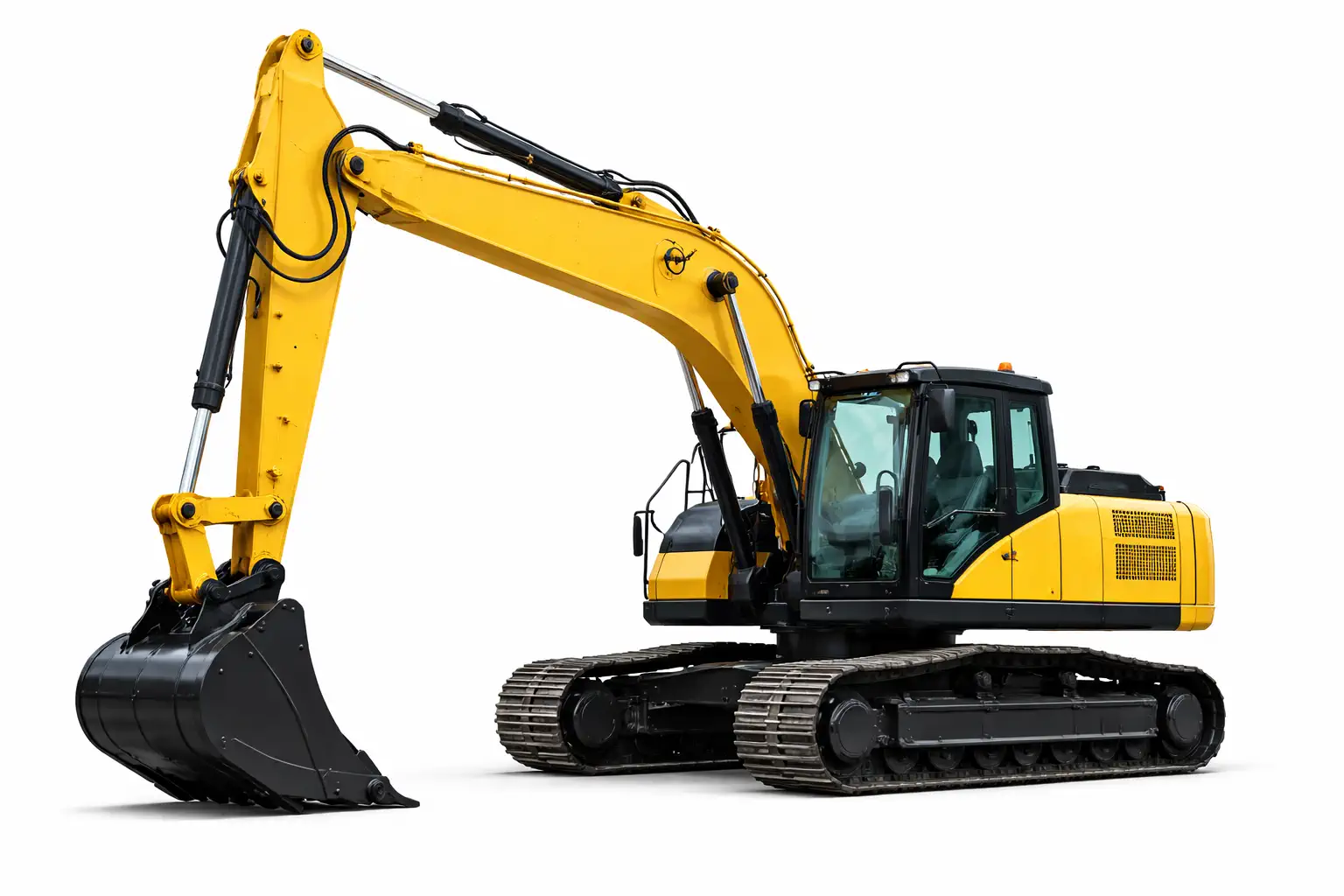
Heavy Earthmovers
What Makes Them Productive on Real Sites
Dummy content: performance isn’t only horsepower—it's cycle time, traction, attachment match, and maintenance discipline.
Dummy content: Heavy earthmovers work in rough, dusty, high-load environments where productivity is defined by consistent cycle time and predictable uptime. This overview explains the major machine types and what actually drives output.
Quick guide: main earthmover types
Dummy content: best for trenching, loading, and precision digging. Productivity depends on swing radius, bucket match, and hydraulic response.
Dummy content: optimized for short-cycle loading. Look at tire selection, breakout force, and transmission tuning.
Dummy content: grading and pushing. Track condition, blade type, and site plan influence output.
Dummy content: versatile for utility work. Choose attachment compatibility and serviceability.
Dummy content: the “best” earthmover is the one matched to the material, haul pattern, attachments, and your maintenance plan.